The Ecology of Humanness: A Speculative Inquiry through Moomin Philosophy
Keywords:
Ecology of humanness, Systems thinking, Narrative inquiry, Moomin philosophy, Emotional ecologyAbstract
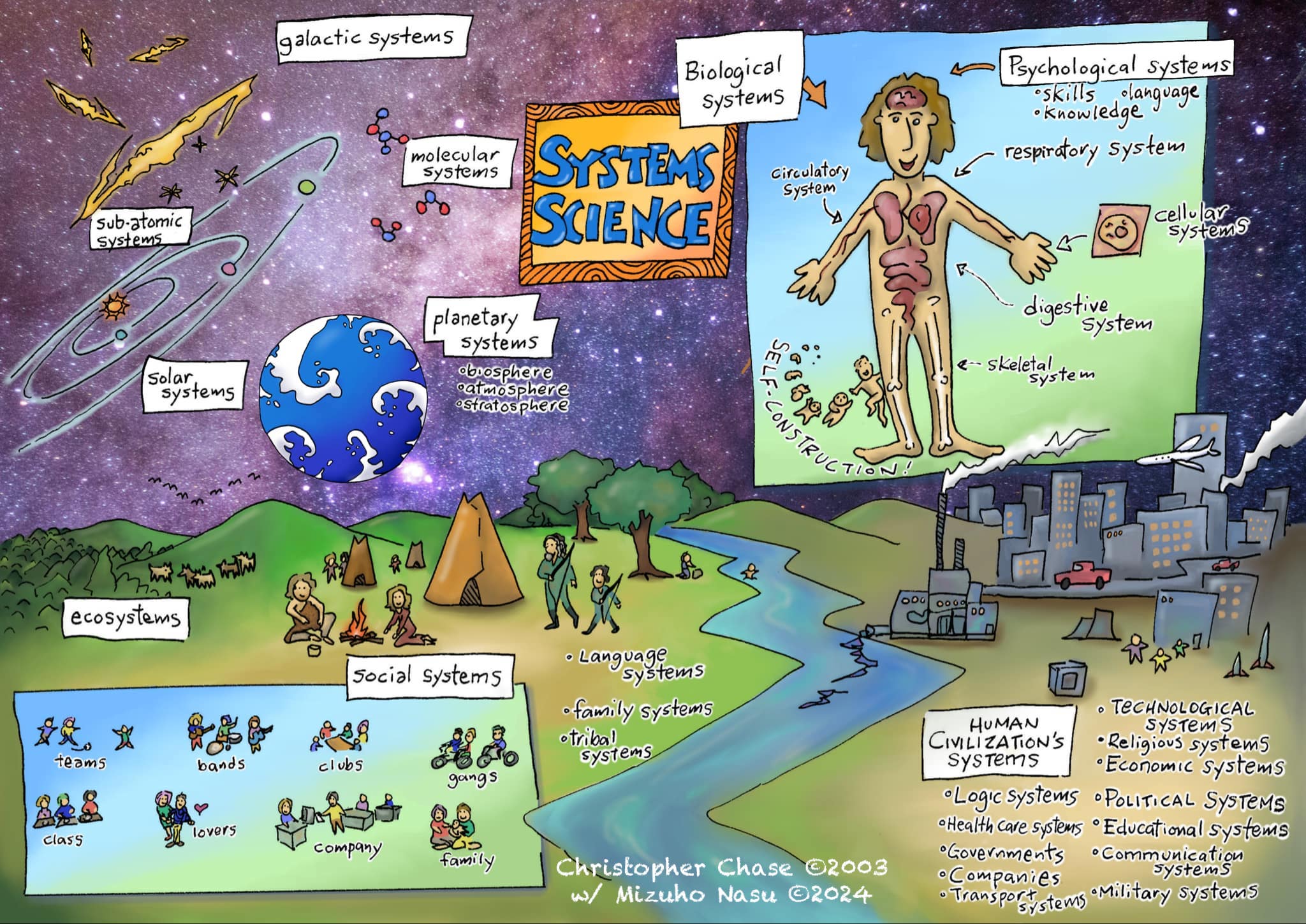
What if the reductionist view of humanness lies at the root of ecological degradation, emotional alienation, and failing systems? This inquiry explores humanness as an ecological phenomenon — a dynamic, relational system embedded in emotion, community, and nature. Many global crises stem from fragmented understandings of the self. Reframing humanness through an ecological lens may reveal new modes of care, resilience, and sustainability. Systems science, with its emphasis on relationships, feedback, and emergence, is well suited for this exploration. If humanness is a system, it must be studied as co-produced by inner, social, and environmental forces.
The Moomins, created by Finnish-Swedish author Tove Jansson, are gentle, philosophical creatures living in harmony with nature and each other. Their stories offer rich, imaginative models of emotional ecology, seasonal adaptation, and value systems rooted in simplicity and interdependence.
The speculative use of Moomin philosophy serves as both a metaphorical system and a narrative thought experiment. It offers intuitive models of autonomy-within-community, emotional ecosystems, and value systems rooted in “enoughness.”
This is a speculative systems inquiry, drawing from narrative ecology, soft systems methodology, philosophical reflection and pattern recognition, and conceptual mapping.
The inquiry suggests that Moomin philosophy models a human ecology grounded in emotional openness, adaptive rhythms, minimalism, and mutual respect. Systems of resilience and care are reflected in the emotional ecosystems of Moomin stories. Change, uncertainty, and melancholy are not problems to solve, but patterns to move with.
The results are conceptual: a reframing of humanness as a system of co-regulation with self, others, and nature. From this approach may follow: more holistic models of identity in social systems, a values-based template for designing human environments, and a meaningful bridge between systemic and narrative thinking in systems sciences.