System Stress: Conceptual Foundations for Understanding System-Level Disruption
Keywords:
system stress, resilience, systems theory, trauma-informed practice, complexity scienceAbstract
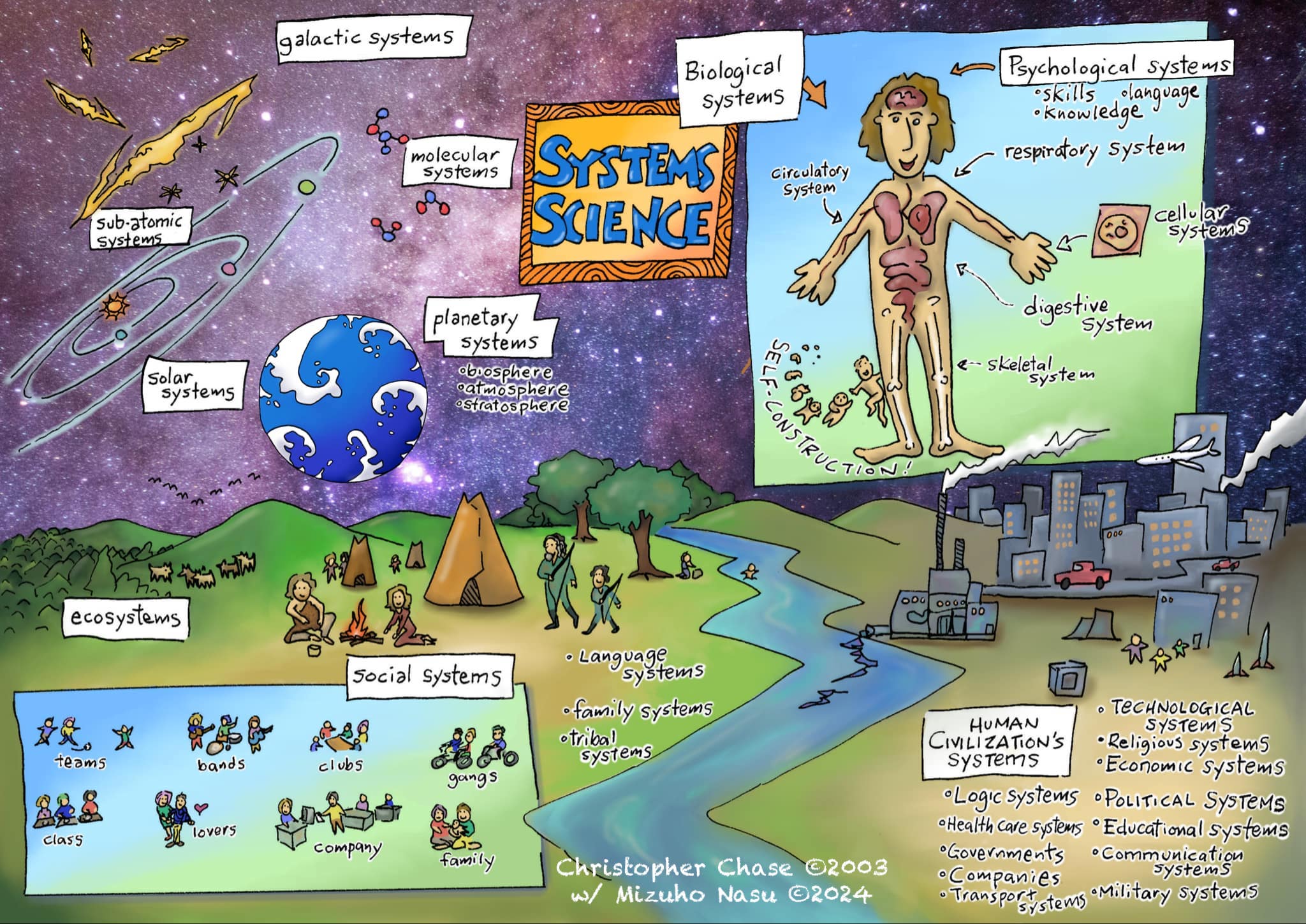
Systems science provides powerful tools for analyzing structural interdependence, adaptation, and transformation. Yet it offers comparatively less attention to how systems themselves experience and respond to sustained pressure—and the implications of these responses for long-term functioning. This paper introduces the concept of system stress to describe the condition that arises when the acute or cumulative demands placed on a system exceed its available resources, resulting in observable changes to its structure (form), internal dynamics (functioning), or intended purpose (function). Drawing on critical systems theory, trauma-informed practice, and resilience research, we conceptualize system stress as a multi-scalar, relational, and context-specific phenomenon that shapes both system vulnerability and adaptive capacity. In contrast to models that center individual trauma or dysfunction, system stress emphasizes broader dynamics of feedback, boundary regulation, and subsystem overload. This framing supports a more precise analysis of how systemic distress accumulates, manifests, and transforms over time. The paper defines the attributes of system stress and illustrates its relevance through three domains—COVID-19 response, HIV care ecosystems, and reproductive justice movements. Ultimately, naming and conceptualizing system stress offers a critical tool for scholars and practitioners seeking to surface hidden stressors, assess resilience, and design equity-informed systems change interventions.