Quantum Governance: Designing Decision Systems for the Uncertainty Age
Keywords:
Quantum, Governance, Decision-making, Policy, Quantum-coherent governanceAbstract
As quantum technologies transition from theoretical exploration to real-world applications, they are not simply enhancing computational power or security protocols. They are challenging foundational assumptions in governance, policy, and decision-making. This paper argues that the emergence of quantum-informed systems compels a paradigm shift: from classical models grounded in linear causality and central control, toward governance frameworks that can engage relational complexity, ethical ambiguity, and dynamic interdependence.
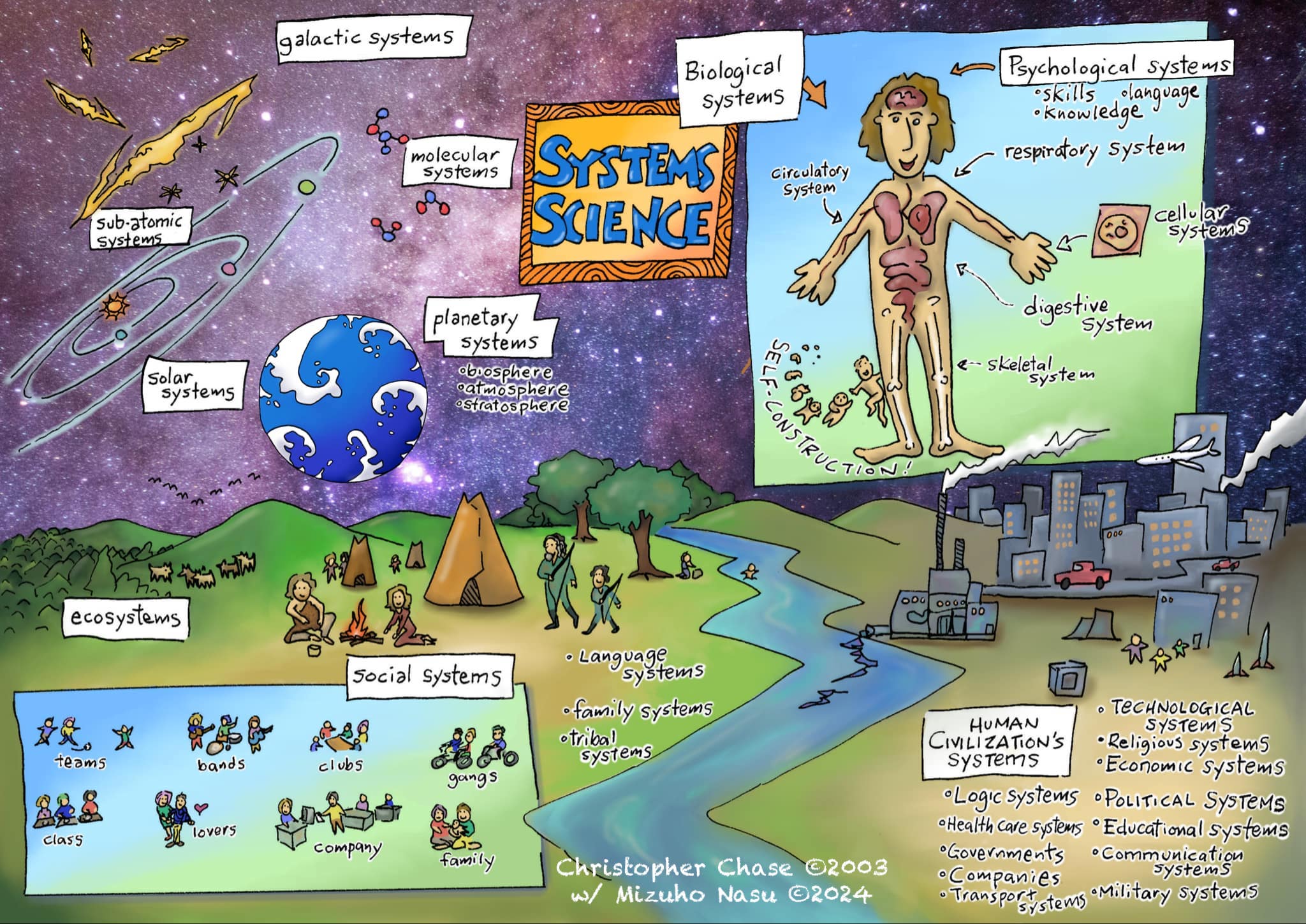
Drawing on principles from quantum theory, such as superposition, entanglement, and non-locality, and aligning them with systems science, this paper introduces the concept of quantum-coherent governance. This approach reframes governance from a model of prediction and control to one of relational stewardship capable of adapting within indeterminate, emergent environments.
Five guiding principles are proposed to support this transition:
- Superpositional foresight - designing for multiple possible futures rather than premature convergence.
- Entangled stakeholding - fostering shared agency across interdependent actors and generations.
- Uncertainty as a feature - cultivating anti-fragility and fluency in unpredictable conditions.
- Non-local leverage - identifying subtle interventions that resonate across systemic space.
- Ethics in superposition – holding tensions with integrity rather than resolving them prematurely.
Implications for systems leadership, institutional design, and policy development are explored, emphasizing a move from fixed authority to attuned responsiveness. This paper invites systems scientists, futurists, and governance innovators to engage with quantum logic as a generative foundation for rethinking the structures and values of collective decision-making.
In a world increasingly shaped by entanglement and uncertainty, governance must become a living system: coherent, participatory, and capable of navigating the unknown.