The Resilience in Precarious Urban Spaces: Young Male Migrants in Informal Urban Housing
Keywords:
Resilience, Migration, Informal Housing, Urban Commons, Systems Science.Abstract
Abstract
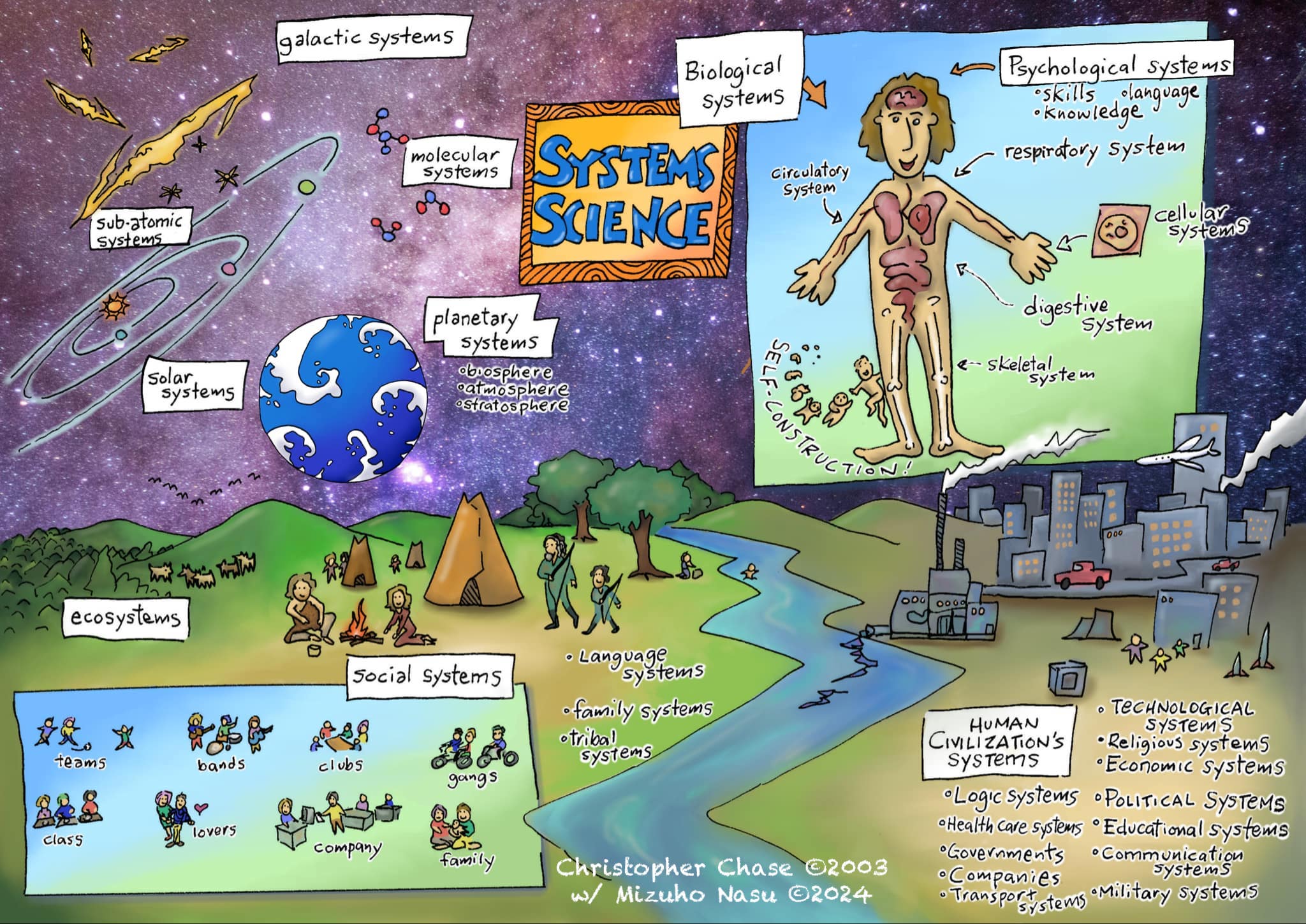
This ethnographic study investigates the dynamics of resilience among young male migrants (aged 18–35) residing in informal urban housing in Paris, focusing on three squats: Fender Squat, Canal Saint-Denis, and La Kunda. Drawing on systems science, Lefebvre’s Right to the City, urban commons theory, and Boal’s Theatre of the Oppressed, this study conceptualises resilience as an emergent property arising from dynamic feedback loops between individual agency, collective solidarity, and systemic exclusion. The methodology integrates semi-structured interviews, participant observation, focus groups, and participatory theatre with supplementary quantitative descriptors to contextualise key themes. The findings reveal that migrants respond to socio-legal uncertainty, including evictions, the Dublin Regulation, and racial profiling, by establishing shadow councils, communal kitchens, solidarity markets, and digital activism, thereby fostering community resilience and spatial justice. The findings highlight intergenerational cultural practices and intersectional experiences of migrants, including those from Sub-Saharan Africa, North Africa, and South Asia, some of whom identify as queers. Policy recommendations call for the formalisation of migrant-led governance, support for digital resistance platforms, culturally responsive mental health services, and phased asylum and housing reform. By modelling resilience as a complex adaptive system, this study advances systems science and offers actionable strategies for inclusive urban policymaking in marginalisation.